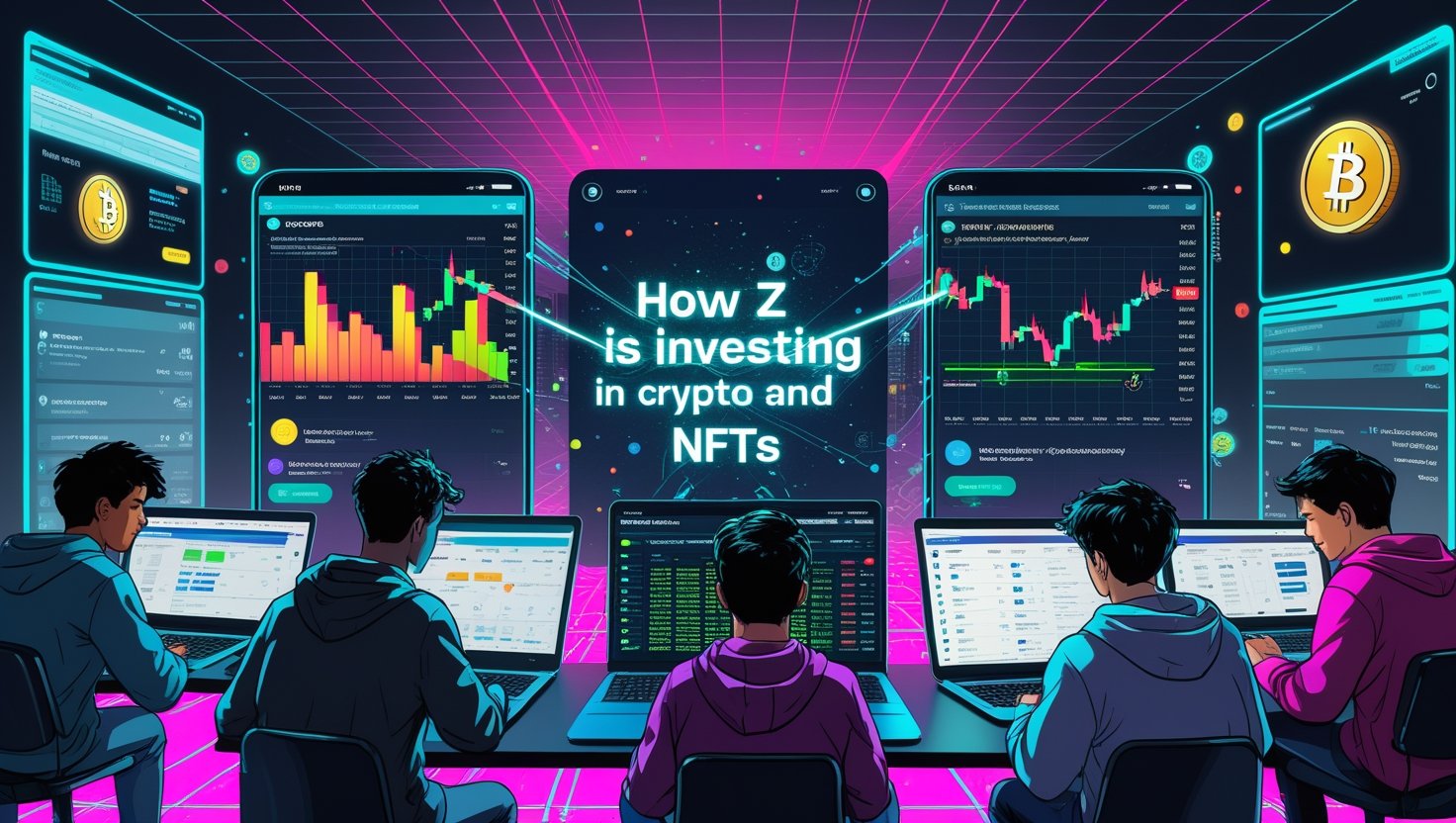
Gen Z is the generation that was born in the digital world and who became conscious along with technology. This breed includes those who were born after 1997 and spend most of their time with mobile apps, social media, and the internet. This is the reason why, when the concept of digital assets like cryptocurrencies and NFTs came to the fore, Gen Z was the first to take an interest in it. For them, these things are not new and complex, but they are part of them. This breed was already involved in digital wallets, online gaming, and cashless payments; hence, when decentralized financial systems like crypto and NFTs came to the fore, they adopted them. It was easy for them to do this.
Gen Z does not trust the traditional banking and finance system as much as they trust digital finance systems that provide transparency and freedom. These people understand innovation and go after fast-moving opportunities, and for them, the crypto world is such a world where you get both fast rewards and high risk. Assets like NFTs that combine art, gaming, and ownership are very appealing to them. Gen Z is not just investors; they are also creators, and NFTs allow them to monetize their work. The thinking of this generation is very advanced, and that is why they are the best among the new financial tools.
Why Gen Z Is Drawn to Crypto and NFTs
Gen Z is attracted to crypto and NFTs because this generation is not just interested in making money but is deeply interested in the concept of freedom and ownership. They consider traditional banks and finance institutions to be outdated, where transparency is less and control is more. Blockchain technology, which is the base of crypto and NFTs, is based on transparency, decentralization, and user empowerment. This generation likes the fact that they do not have to depend on any third party, and they control their assets themselves. On the other hand, Gen Z’s online culture and social media exposure also draws them towards these things including NFTs, art, music, memes and digital There is a combination of creativity that perfectly matches the lifestyle of Gen Z. These people do not just invest but also collect and showcase it as if they are expressing their digital status.
The fast pace and high volatility of the crypto world also excite Gen Z because they believe in short-term results and do not shy away from taking risks. The success stories of meme coins or viral NFTs are a source of motivation for them. Apart from this, the idea of financial independence is also very strong for them. This breed wants to earn quickly at their own cost and create something for themselves. Crypto and NFTs give them a platform where they can enjoy both financial and creative freedom.
Popular Platforms and Tools Used by Gen Z Investors:
When Gen Z invests in crypto and NFTs, they need simple and user-friendly tools. This generation is bored with complex banking systems and technical procedures. So they use platforms that are mobile-friendly, fast, and where they get the experience of gamified and social investing. For crypto investments, Gen Z mostly use apps like Coinbase, Binance, and Crypto.com as these platforms offer secure trading with easy onboarding and sleek design. Wallets like MetaMask and Trust Wallet are also very common, where people store their coins and NFTs. For NFTs, OpenSea is the most popular platform where digital collectibles, art, and games are available.
Gen Z buys and sells NFTs from OpenSea via MetaMask and also showcases them on their profiles Some people also use Solana-based wallets and platforms like Phantom and Magic Eden where transaction fees are low and speed is high Gen Z is also interested in apps like Robinhood and eToro where they can invest a mix of both crypto and stocks The special thing about these tools is that they provide social integration and notification-based alerts so that Gen Z stays up-to-date All these platforms are not just trading apps for them but are lifestyle tools through which they express their identity and social status.
Risk Tolerance and Investment Behavior among Gen Z:
The investment behavior of Gen Z is quite different from other generations. This generation has a high-risk risk high-reward mentality and hence is more active in volatile markets like crypto and NFTs. It is very important for these people to make money quickly and to go along with the trends. These people are heavily influenced by meme culture and viral trends, and many times take investment decisions through social media influencers or Reddit, Discord, and TikTok. The patience level of this generation is low; hence, it is more interested in short-term gains and hype-based investments. An example of this is that when a coin or NFT goes viral, Gen Z invests in it rapidly without much research.
These people are also influenced by emotions like due to FOMO i.e. fear of missing out, they invest money in many risky investments but despite all this, the confidence level of Gen Z is high and they are not afraid of experimentation these people can learn quickly and even if they suffer a loss in something, they move towards the next trend their risk tolerance is high due to their age and flexibility also because most of the Gen Z investors are not yet under the responsibility of family or loans and they can manage their money freely their investing habits are going to significantly influence the behavior of the financial industry in future if they get the right direction these people can become very strong investors.
Education, Misinformation, and the Learning Curve:
The investing journey of Gen Z is largely dependent on their digital learning sources. This generation listens to online tutorials, YouTube videos, Discord communities, and influencers more than traditional education or finance classes. The advantage is that they get to know about new trends and tools very quickly, but the disadvantage is that misinformation also spreads very quickly. Many false influencers or anonymous social media accounts encourage people to invest in a coin or NFT without proof. People get caught up in the hype and invest their money. Then, when the market falls, they have to bear the loss. This model of education is informal and non-academic. For example, the culture of verification and research is a little less prevalent in this. Despite this, the spirit of self-learning is very strong in Gen Z.
These people quickly understand platforms and terms and are not even daunted by the complex tools of digital finance. But if they get proper guidance and financial literacy is taught in a structured form, then this breed can become not just new investors but also new educators. In fields like crypto and NFTs, there is a culture of fast movement and emotional hype. Therefore, it is important for Gen Z to find out which information is genuine and which is just meant to make it viral. The learning curve is steep, but if the direction is right, Gen Z can become a master in this.
Conclusion:
In today’s digital era, Gen Z is not just users but has become trend setters, and their interest towards crypto and NFTs shows that the future of finance is moving towards decentralization and digitalization. This generation adopts innovation fast and challenges traditional finance models. This generation has access to every tool and tool that helps them to take independent financial decisions, but with this freedom comes responsibility. If Gen Z is only driven by hype or viral content, this freedom can become a loss for them, but if these people learn responsible investing, adopt research-based decision making, and long-term planning yes, then they can prove to be the right leaders of digital assets.
The role of financial education and mentorship is very important at this time so that Gen Z do not just make money but also create sustainable and meaningful wealth They are pioneering a new financial culture where the role of banks, middlemen and traditional systems is diminishing and user empowerment is increasing If Gen Z continues to get direction and tools and training, then the way this generation will run the world’s finance industry in the next ten years would have never been seen before This is not just a trend but the beginning of a digital financial revolution.
FAQs:
- Why is Gen Z so interested in crypto and NFTs?
Gen Z grew up in a digital-first world and is comfortable with technology, digital wallets, and online platforms. Crypto and NFTs offer them transparency, freedom, and control—values that align with their mindset. The blend of creativity, financial opportunity, and independence makes digital assets highly attractive to this generation. - What platforms and tools are popular among Gen Z investors?
Gen Z prefers user-friendly, mobile-based platforms like Coinbase, Binance, Crypto.com, and Robinhood for crypto investing. For NFTs, they use OpenSea, MetaMask, and Solana-based apps like Phantom and Magic Eden. These platforms often offer features like low fees, fast transactions, and social integration, turning investing into a lifestyle experience. - How does Gen Z’s risk tolerance differ from other generations?
Gen Z has a high risk tolerance and tends to invest for quick returns. They often follow viral trends, influencers, and social media hype, making spontaneous decisions driven by FOMO (fear of missing out). While this can lead to quick profits, it also increases the risk of losses, especially without proper research. - What challenges does Gen Z face in learning about crypto and NFTs?
Gen Z primarily learns from digital sources like YouTube, Discord, Reddit, and influencers. While this gives fast access to information, it also exposes them to misinformation. The lack of formal financial education means they may act on hype rather than facts, making them vulnerable to scams and losses. - What role can education and guidance play in Gen Z’s investment journey?
Structured financial education and mentorship can help Gen Z move from hype-driven decisions to responsible investing. With proper direction, they can become not just informed investors but leaders in the evolving world of digital finance. Their influence is expected to shape future financial systems, making education a critical factor in their success.